
I have restarted a supplement routine four times in the last six years. Each time, I bought five things at once, felt overwhelmed by the timing puzzle, skipped a few days, and quietly let the bottles expire in a drawer. The fifth attempt finally stuck, and the single change that made the difference was starting with one anchor supplement and building outward from there. For me, that anchor was cold-pressed Nigella sativa black seed oil. If you have been circling this supplement, reading abstracts late at night and wondering whether it actually belongs in your cabinet, this guide is the practical walk-through I wish had existed when I started.
A quick note before we go further: black seed oil has real interactions with blood-thinning medications, some blood pressure drugs, and immunosuppressants. If you are pregnant, nursing, or taking any prescription medication, please talk to your doctor before adding this or any new supplement. The steps below are for generally healthy adults looking to support their immune function with a botanically based daily practice.
Still searching for a cold-pressed black seed oil you can actually trust the label on?
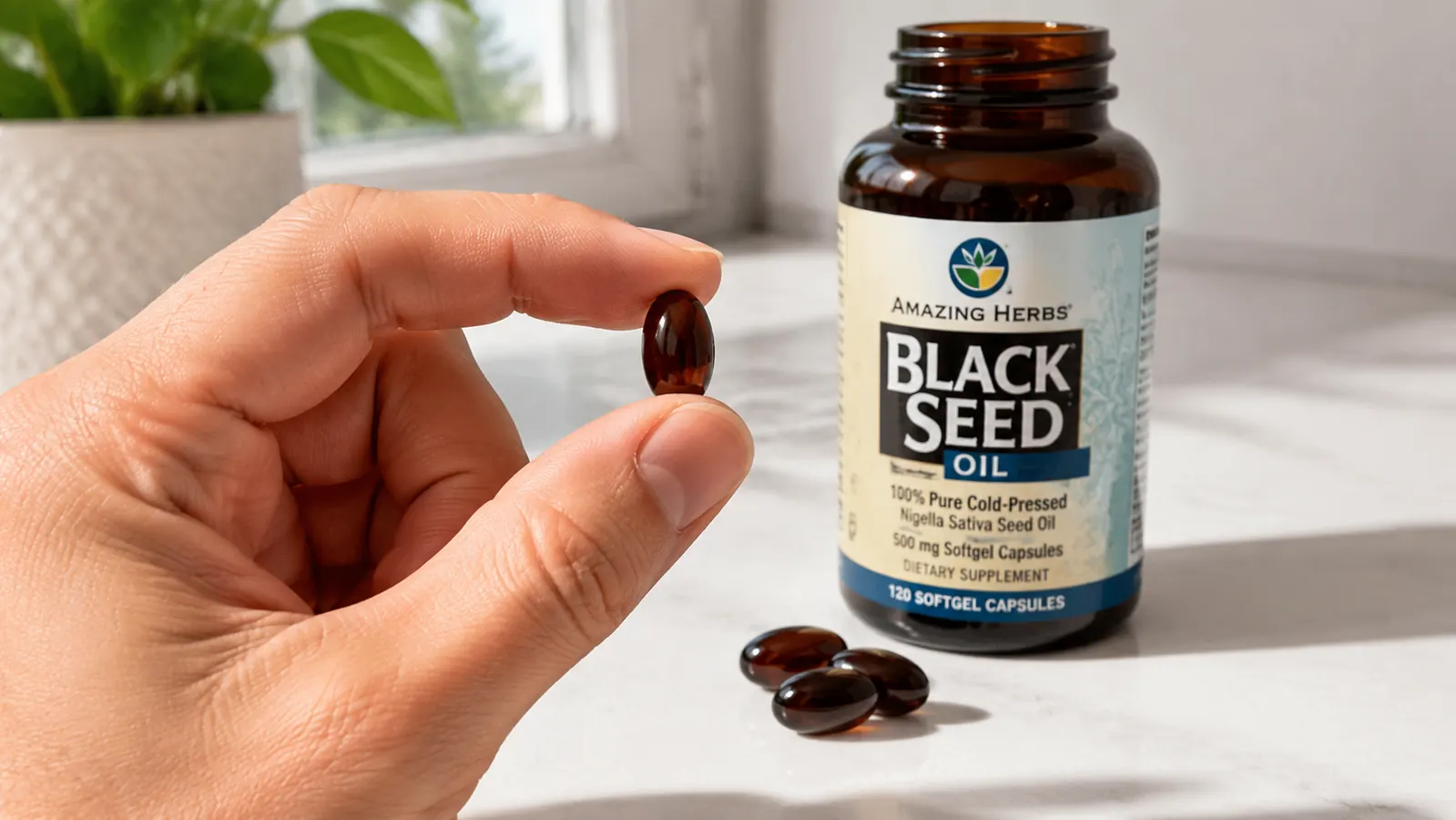
Amazing Herbs Premium Black Seed Oil softgels are cold-pressed from 100% pure Nigella sativa seed, and the brand has been doing this specific product for decades. Over 21,000 Amazon ratings at 4.6 stars. If you want a benchmark bottle while you read, this is the one I started with.
Amazon Check Today's Price on Amazon →Step 1: Understand What You Are Actually Buying
Before you order anything, you need to know the compound that makes black seed oil interesting: thymoquinone (TQ). It is the primary bioactive in Nigella sativa seed oil, and it is the reason researchers keep publishing on this plant. Thymoquinone content varies significantly by extraction method. Cold-pressed oil preserves TQ better than solvent-extracted or heat-treated versions, which is why the words 'cold-pressed' on the label actually matter here, not as marketing language but as a production indicator.
What does not matter as much as the label makes it sound: the phrase 'pure' or '100% natural.' Those are marketing words with no regulated standard behind them. What you actually want to see is cold-pressed, a clear country of origin (Ethiopia and Egypt both produce quality seed stock), and no added carrier oils that dilute the TQ concentration. Look for a softgel that lists only Nigella sativa seed oil and the capsule shell. Anything else in the ingredient list is worth questioning.
In capsule form, Amazing Herbs Black Seed Oil checks the boxes I look for: cold-pressed, single ingredient (Nigella sativa seed oil), and a transparent label without filler carrier oils padded into the formula. The softgel format also means you skip the taste, which is genuinely important for long-term compliance. Black seed oil straight tastes like peppery motor oil. I lasted three weeks with the liquid form before switching to capsules.
Step 2: Choose Your Starting Dose and Timing
Most human research on Nigella sativa for immune and antioxidant support uses doses in the range of 1 to 3 grams of seed oil per day. Amazing Herbs softgels are 500 mg each, which means two capsules gets you to 1 gram, and four capsules puts you at 2 grams. I started at two capsules daily (1 gram) and stayed there for the first 30 days before evaluating whether I wanted to increase.
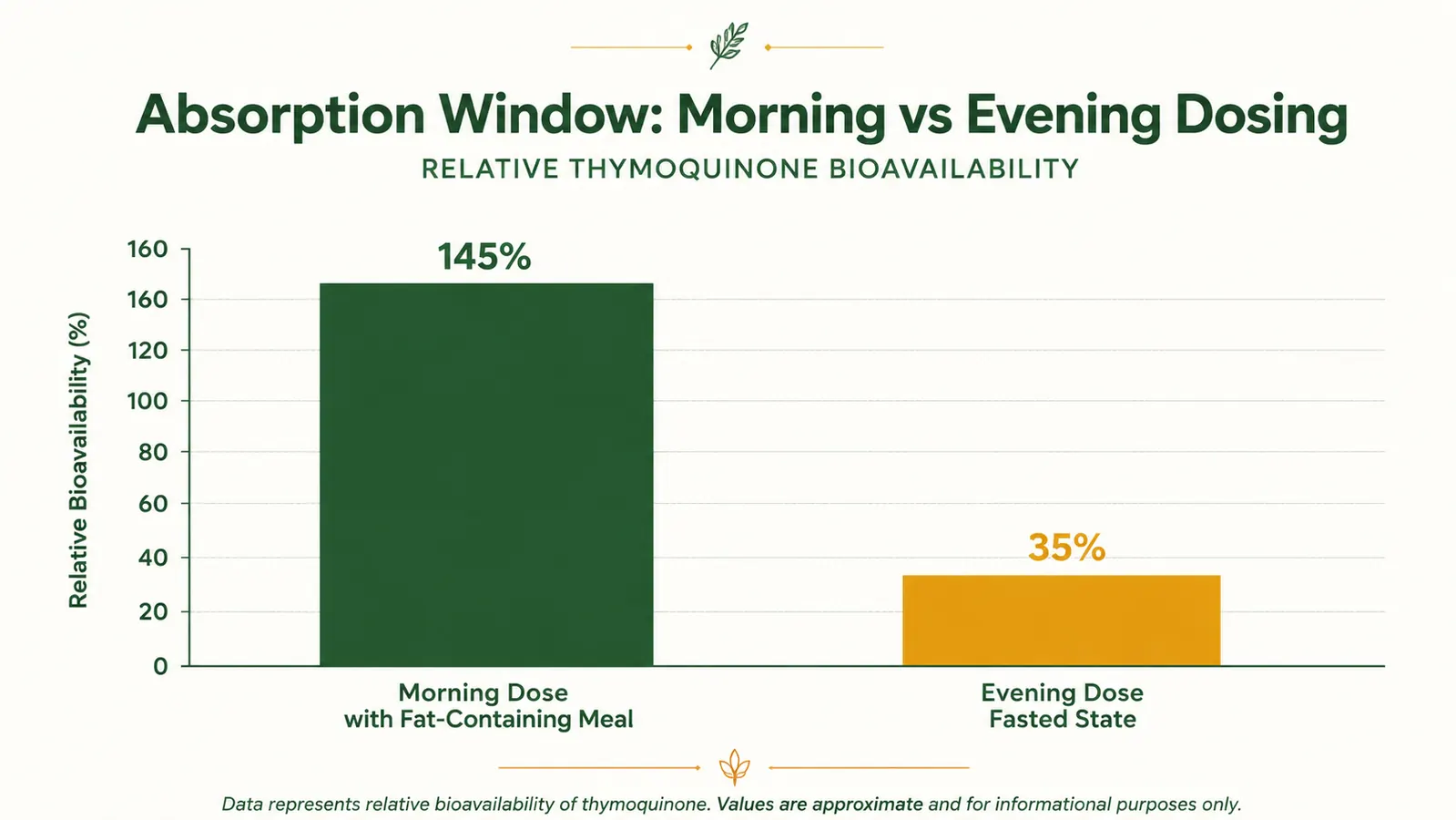
Timing matters more than most supplement guides acknowledge. Thymoquinone is fat-soluble, meaning it absorbs significantly better when taken with a fat-containing meal than on an empty stomach. I take mine with breakfast, specifically after I have eaten something with actual fat in it: eggs, avocado toast, or even just peanut butter on a rice cake. Taking it with only coffee or a plain piece of fruit cuts into absorption. If you are a lunch or dinner person by habit, either of those meals works too. The key is consistency and fat in the meal, not the specific clock time.
One practical note: do not take black seed oil within two hours of prescription blood thinners like warfarin. Nigella sativa has demonstrated antiplatelet activity in some studies, which could compound the effect of anticoagulant medications. Again, this is a conversation to have with your prescriber before you start.
Step 3: Pair It Correctly with Supporting Botanicals
An immune support routine built around black seed oil does not need to be complicated, but knowing which supplements complement it versus which ones cause redundancy or interaction saves you money and confusion. The stack I settled on after about three months of experimenting is simple: black seed oil as the foundation, vitamin D3 with K2 as a year-round baseline, and zinc (from food, not yet another capsule) filled in through diet.
What I deliberately avoided stacking at the same time: high-dose vitamin E and fish oil taken alongside black seed oil. Both have blood-thinning potential of their own, and combining multiple supplements with antiplatelet activity without medical guidance is not a good experiment. If you are already taking omega-3 fish oil daily, that is worth mentioning to your doctor when you discuss adding black seed oil.
The botanicals that play well with black seed oil in most healthy adults, based on both the literature and my own shelf: elderberry extract (taken seasonally rather than year-round), and turmeric curcumin with a piperine or fat-based absorption aid. Curcumin from turmeric and thymoquinone from Nigella sativa have overlapping mechanisms around antioxidant support, and they do not share the same interaction concerns. If you want to read more about why Nigella sativa pairs naturally with other traditional botanicals, the article on 10 reasons Nigella sativa belongs in a daily routine on this site goes deeper on the research.
Step 4: Set a 60-Day Trial Window and Track Something Specific
This is the step most guides skip, and it is the reason most supplement routines quietly fail. If you do not define ahead of time what you are tracking, you will have no way to evaluate whether anything is working, and you will either oversell it to yourself or give up arbitrarily. I use a dead-simple paper notebook. On day one, I write down the date, the dose, and two or three specific things I am noticing. For black seed oil, my tracking list was: how often I felt run-down or low-energy, the frequency of minor seasonal sniffles, and how my digestion felt in the first hour after meals (since ginger and black seed both affect gastric comfort).
At 30 days, I checked in with my notes. At 60 days, I made a decision. That decision did not have to be 'this is the greatest supplement of my life.' It just had to be honest. For me, the honest 60-day read was that I felt noticeably less run-down during weeks where I was traveling, which is historically when I pick up every circulating bug. That was enough to keep me going. Your experience will be different, and that is fine. The goal of the 60-day window is to give the supplement time to show you something, rather than bailing after two weeks or staying on it indefinitely without asking whether it is actually earning its place on your shelf.
Define what you are tracking on day one. A supplement without a tracking criterion is just an expensive hope.
Step 5: Audit Your Routine Every 90 Days
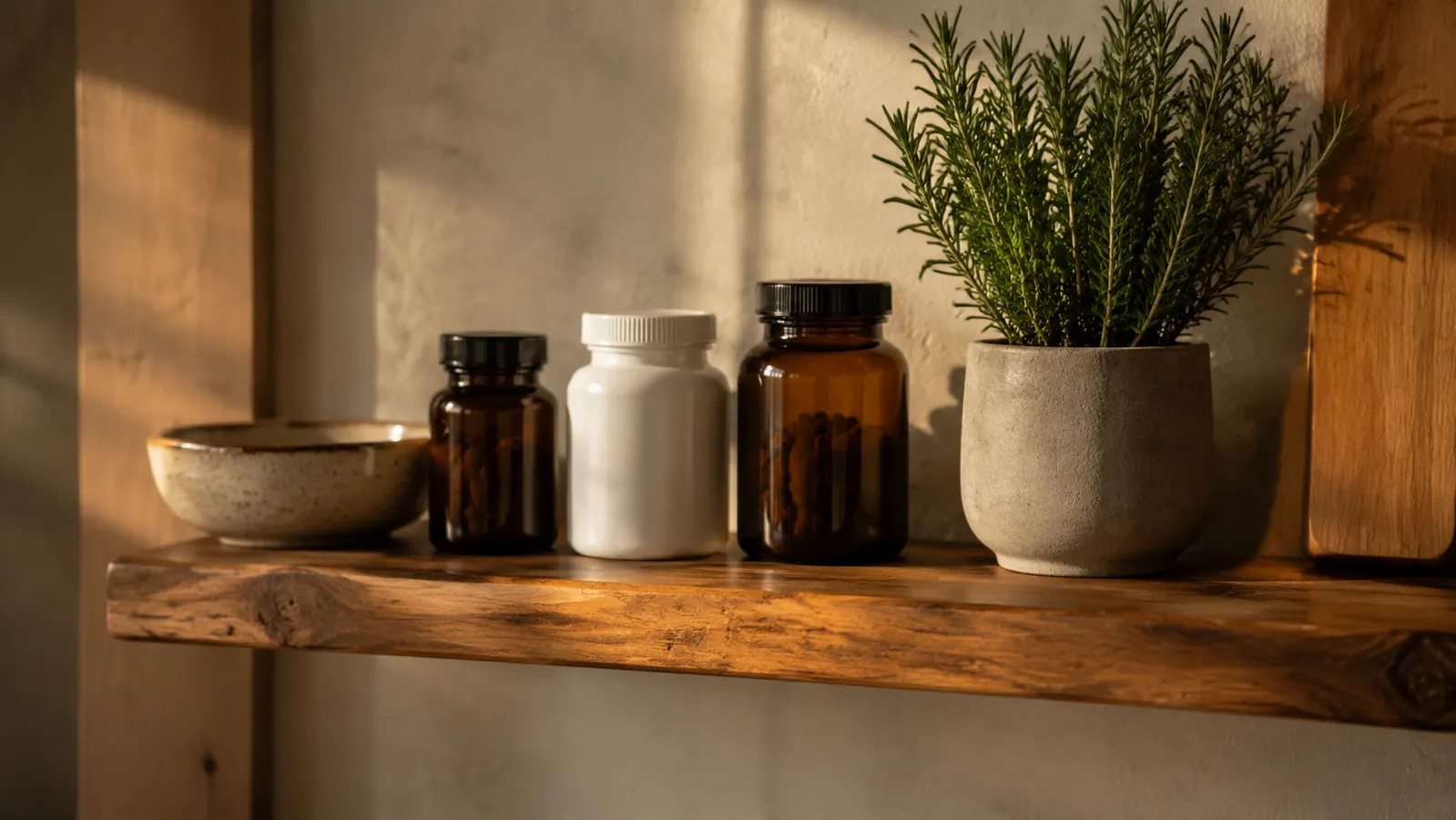
At the 90-day mark, I do what I call a shelf audit. I lay out every supplement I am currently taking, read the label again as if I had never seen it, and ask myself three questions: Is this still earning its place? Has anything changed in my health picture that changes the interaction risk profile? Is there a better version of this product at a similar price point, or am I on autopilot out of habit?
For black seed oil, the 90-day audit has come back the same both times I have done it: stay on it, same dose, same timing. That is a meaningful answer. Not every supplement survives the audit. I have dropped a probiotic, a B-complex that was giving me vivid dreams, and an adaptogen blend that I could never confirm was doing anything. The shelf audit disciplines are what keep your routine from becoming a monthly Amazon subscription problem.
On price and format: Amazing Herbs softgels typically run in a range that makes a 30-day supply at 2 grams per day a reasonable line item. Check today's price before you assume a number. Supplement prices on Amazon move often, and the per-capsule math changes. The review article on this site covers the Amazing Herbs formula in more detail if you want a full breakdown before committing to a bottle.

What Else Helps
Supplements are never the whole picture of immune support, and I would be doing you a disservice to write a guide like this without saying so plainly. Sleep quality has a larger documented impact on immune function than any botanical I am aware of. Consistent seven-to-nine-hour nights matter more than which brand of capsule sits on your shelf. Hydration, managing chronic stress, and getting outdoors regularly all belong in the same conversation.
That said, if your fundamentals are reasonably in order and you are looking to add a botanically based layer, black seed oil is one of the more well-researched options in a supplement category full of weak evidence and loud marketing. Thymoquinone has been studied in peer-reviewed contexts for antioxidant activity, immune modulation, and antimicrobial properties, with a research trail that dates back decades. It is not a magic fix, and no responsible writer is going to tell you it is. But it is a supplement with actual science behind it, which is a shorter list than most people assume.
One more reminder: if you are pregnant, trying to become pregnant, on blood thinners, taking immunosuppressant medications, or managing a chronic condition, please clear this with your doctor before starting. That is not boilerplate. The interactions are real, and your prescriber needs to know what you are adding to the mix.
Ready to start the 60-day trial? Amazing Herbs is the bottle I point people to first.
Cold-pressed Nigella sativa, no carrier oil filler, over 21,000 ratings. It is the benchmark I used when I was testing the market, and it has stayed on my shelf since. Check current pricing on Amazon before you commit, since it moves.
Amazon Check Today's Price on Amazon →